What Is Your Time Actually Worth?
Oct 09, 2026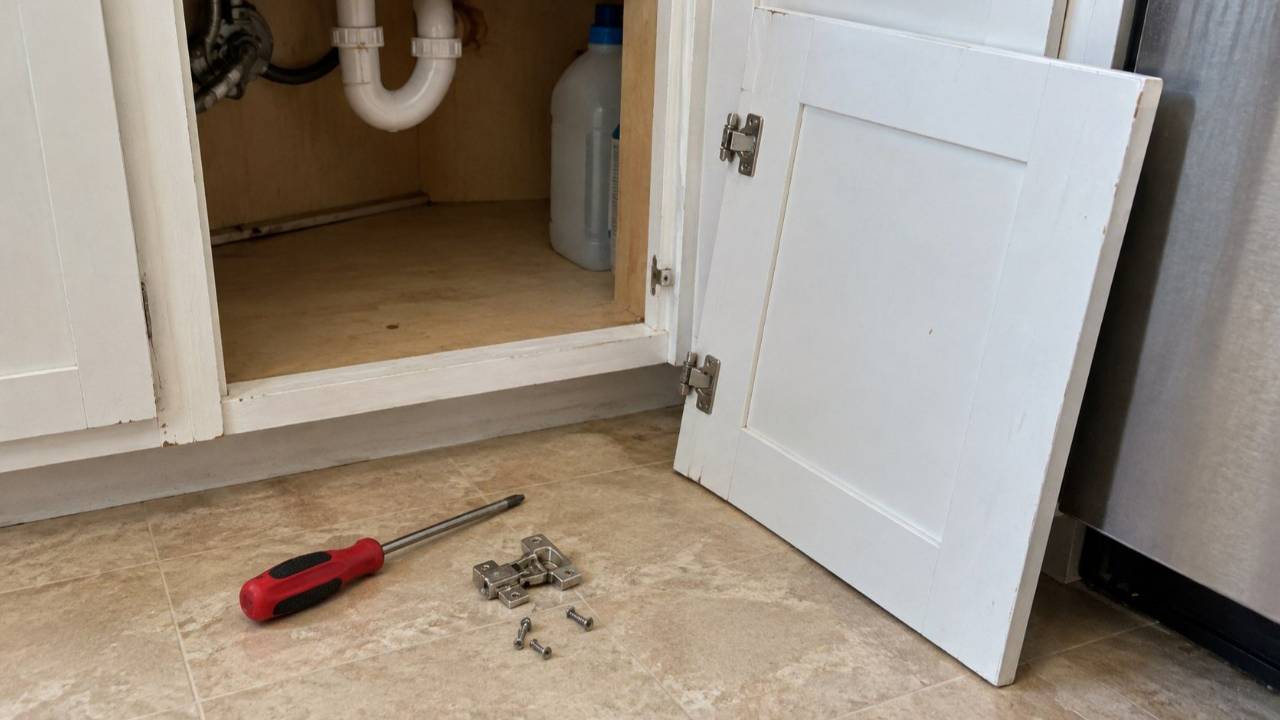
A Saturday can disappear into a project that was supposed to save you $40.
Sometimes that is a perfectly good trade. You learn something, enjoy working with your hands, or simply need to keep the $40.
Other times, the project requires three trips to the store, an unfamiliar tool, and a conversation with a bolt that has stopped cooperating.
The money is easy to count. The time deserves a look, too.
Ask what the choice would replace
In economics, opportunity cost means the value of the next-best alternative you give up when you choose something. The useful part is asking what that alternative actually is.
An extra hour working might replace paid work elsewhere. It might replace a walk, an afternoon with your kids, a household task, or rest you need. Those are different tradeoffs.
You do not need to assign a dollar amount to all of them. You do need to notice them.
Use an hourly calculation when it helps
For a hypothetical example, suppose a small project brings in $100 and requires $20 in supplies and fees. It leaves $80 before taxes and other business expenses.
If the work takes two hours, that is $40 per hour at that stage. Add an hour of travel and an hour of preparation and messages, and it becomes $20 per hour.
Neither number tells the whole story. The calculation does help you see how much work surrounds the part someone pays you to do.
Use the same care when comparing ways to save money. A cheaper option may involve driving, waiting, assembly, or returns. Those costs belong in the decision, even when they never appear on the receipt.
Your wage is not the price of every free hour
Earning a certain amount at work does not mean you can earn that amount during every hour you save at home. Many people cannot add an extra paid hour whenever they want.
Paying someone to do a task may still be worthwhile. It could free up time you need, reduce stress, or get a job done properly. But it also uses real money from the household budget.
“My time is worth it” works better as the beginning of a decision than as automatic permission to buy every convenience available.
Look at the whole week
A commitment can fit on the calendar while leaving very little energy for anything around it.
Before adding another regular project, look at the hours it needs and the recovery it takes. Consider who handles the tasks you will no longer be available to do. A new commitment can quietly become someone else's extra work.
As a husband and dad, that is a tradeoff I think deserves attention. The plan should make sense for the people living with it, too.
Sometimes a busy season is worthwhile. Giving it an end date and a time to reassess can help keep “for a little while” from becoming the family operating system.
Try three questions before saying yes
- What do we gain? Be specific about the money, enjoyment, skill, or practical benefit.
- What does it require? Count the full cost in dollars, hours, energy, and help from other people.
- What gets less of us? Name the alternative you are giving up and decide whether the trade fits this season.
You will not reach the same answer every time. A task you happily do one month may be worth outsourcing another month. A good extra-income opportunity may still arrive at a bad time.
The point of thinking carefully about your time is to spend more of it in ways you can stand behind.
